A dead battery rarely picks a convenient time. Mine chose a January morning, nine degrees on the dash, in a pharmacy parking lot with two impatient kids in the back. I called the number on my auto ID card, a truck showed up in under 30 minutes, and I was back on the road with a jump and a reminder to replace a tired alternator. The whole thing cost less than a fast-casual lunch that month because I had State Farm’s Emergency Road Service rider on my policy.
Those small, forgettable moments are where roadside assistance earns its keep. But not every driver needs it, and not every roadside plan fits the way you actually use your car. If you are weighing State Farm Insurance roadside assistance, here is a grounded look at how it works, what it costs, where it shines, and where it falls short.
What State Farm’s roadside assistance actually covers
State Farm calls it Emergency Road Service, and it is an add-on to your State Farm insurance auto policy, not a standalone membership. At its heart, it pays for help when your vehicle is disabled or unsafe to drive. The menu is fairly standard for an insurer-based program:
- Towing to a repair location when your car will not run or is unsafe to operate. Many policies specify the nearest qualified facility, and if you want to tow farther, you typically pay the difference. Jump starts for dead batteries. The service is straightforward, though it does not include a new battery, only the jump. Flat tire change if you have a usable spare. If the lug nuts are locked or the wheel is damaged, the tow option takes over. Lockout service to get you back into the car. The labor to unlock is usually covered. If the key itself is lost or broken, the cost of a replacement key or fob is usually on you. Fuel delivery for when you run out. The delivery is covered. Expect to pay for the fuel itself. Winching and extraction if your vehicle is stuck, generally if it is within a short distance of a roadway. If you slid into a field after an ice storm, a simple winch might not cut it, and heavy recovery can run beyond coverage.
Read the phrase “reasonable cost” in the policy language and understand what that means in practice. The dispatcher aims for the closest capable provider, the one who can get to you quickly. If you insist on an out-of-network specialty shop 25 miles away, State Farm insurance can still help, but you will likely pay any difference beyond the included scope.
I have seen people surprised by what roadside does not include. It is not crash cleanup, body work, or a rental car. It does not fix a broken axle on the shoulder. It does not move a vehicle that law enforcement has already called a tow for after a collision. It is a safety net for minor breakdowns and short tows, the stuff that strands you at soccer practice rather than puts the car in a frame shop.
How much it costs, in real dollars
The appeal is the price. In most states, Emergency Road Service runs a few dollars per month per vehicle, often less than 20 dollars per year, sometimes close to 5 to 10 dollars per six-month term. Pricing varies by state, policy form, and vehicle type, and it occasionally changes, so the best way to pin it down is to ask your State Farm agent for a current figure on your specific car.
From a budget standpoint, that means a single tow or lockout typically “pays” for a few years of coverage. A light-duty tow within town often runs 75 to 150 dollars before mileage. A locksmith visit for a simple unlock is commonly 60 to 100 dollars. An emergency jump start might be 60 to 90 dollars. If you run old commuter cars or you drive a lot of miles, the math usually favors carrying roadside on your policy.
One caveat: if you have several drivers and cars, stacking a rider on each vehicle may or may not be the best deal compared with a household membership program. For many families with two or three cars, the total still comes out cheaply. Compare the aggregate premium increase to the price of a third-party membership like AAA before you decide.
What it feels like to use it when you are stranded
The experience matters more than the bullet points. When you call State Farm roadside assistance, you usually have two paths. You can request a dispatch through the State Farm mobile app or by phone. They connect you to a local provider from their network, track the request, and you sign the invoice at the scene. Alternatively, if you are in an out-of-the-way spot without coverage or you have a trusted local towing company on speed dial, you can often pay out of pocket and submit for reimbursement. Reimbursement requires documentation and is not instant, but it can be handy if you know a shop that can reach you faster.
Response times vary for predictable reasons. In cities, I often see sub-45-minute ETAs for common services. During snowstorms, rush hours, or on Sundays in smaller towns, it can take longer. On the fringes of the county, like the rural roads outside Cedar Lake, you might wait an hour or more if only one truck is running. The steady piece is the communication. The dispatcher texts or calls with updates, and you can check the app if your phone signal cooperates.
If you remember one practical detail: save the roadside number into your contacts and teach new drivers in the family how to use it. On a dark shoulder at 11 p.m., clear next steps matter more than anything else.
A quick gut-check: who benefits and who can skip it
- Commuters in older cars: Strong value. A single tow will likely exceed a few years of premium for the rider. Families with teen drivers: Good safety net. Teens lock keys in cars and miss battery warnings. New-car owners under factory warranty: Check first. Many brands include roadside help during the bumper-to-bumper term. If you already have it, avoid doubling up unless you want the insurer’s app or prefer a single point of contact. Drivers who already pay for AAA or a premium credit card with roadside: Compare towing distance and service caps. If your other program has broader benefits, you may not need both. People who often tow trailers, drive off-pavement, or own specialty vehicles: Review the fine print. You might need a niche plan for RVs or heavy recovery.
Limits and fine print that matter
Every insurer markets roadside as simple, and then the claims happen in the real world. A few details deserve attention.
Towing distance and destination. Many State Farm policies specify towing to the nearest qualified repair location. If your preferred mechanic is 12 miles in the opposite direction, and the nearest open shop is 3 miles away, the plan will usually cover to the closer shop and you pay the extra miles. This is not a hard-and-fast rule everywhere, and some agents can clarify local practices, but it is the common setup. Ask your State Farm agent how towing is handled in your zip code and whether you can choose a farther destination by paying the difference.
Locksmith services versus key replacement. The labor to unlock is generally covered. A high-tech fob or a laser-cut key is not. Replacing a smart key can cost 150 to 400 dollars and may require a dealer. That is not a roadside expense your rider will absorb. If losing keys is a pattern, look into a key coverage add-on, which some insurers or auto clubs sell separately.
Roadside on rentals and other vehicles. The rider applies to the vehicles listed on your policy. It does not follow you as a person when you drive a friend’s car, and it does not automatically cover rental cars. Many rentals include their own roadside service or sell it at the counter. If you travel frequently and rely on rentals, a separate per-driver roadside membership might suit you better.
Winching and exotic recoveries. A simple pull within a short distance of a public road is usually fine. Two-truck recoveries, off-trail extractions, and damage incurred while stuck are not in scope. I have seen people assume a roadside rider would cover a beach recovery or a pull from a snow-filled ditch 50 feet off the shoulder. It will not. That is where local tow operators earn their rates, and you will likely pay out of pocket beyond any basic coverage limit.
Frequency limits. State Farm does not publish a hard public cap on the number of service calls like some third-party plans do, but repeat, frequent use can trigger scrutiny. If you are calling five times a month, someone will eventually ask why. Use it for legitimate roadside disablements, and you should be fine.
How it compares with AAA and other options
AAA and insurer-based roadside assistance solve similar problems with different priorities. AAA is a membership that follows you as a person in any car you drive, with tiered plans that often include longer towing ranges, trip interruption coverage, and DMV-style services in some states. Many AAA Plus plans cover towing up to 100 miles, which is a lifesaver in rural areas or if you have a specialty mechanic across the region. The trade-off is price. AAA runs far more than the rider on a State Farm insurance policy, typically over 60 to 120 dollars per year depending on tier and location.
Credit card roadside services, common on premium cards, sit in the middle. They often offer pay-per-use dispatch with capped rates, or a few included calls per year with limits on towing distance and covered services. They are better than nothing, but you need to read the small print. A 10-mile tow cap does not help much if the nearest open shop is 18 miles away at 2 a.m.
If you drive mostly local miles, park in a garage most nights, and maintain your vehicles, the State Farm rider usually wins on value. If you take road trips across big states, own a weekend car that goes to a specialist two towns over, or you want a plan that follows you into a friend’s car, AAA often earns its higher price.
The claims ripple effect: does using roadside raise your rate?
This question comes up a lot at the counter in an insurance agency. A roadside assistance call is not an at-fault collision or a moving violation. It is a service request. In my experience, one or two roadside calls in a year do not move your premium. That said, insurers do track usage patterns. If a driver leans heavily on any ancillary benefit, in any line, it can feed into the broader profile the company uses at renewal. Keep it reasonable. A jump here, a tow there, no problem. Turning roadside into your default for everyday logistics is not the intent.
Practical scenarios where it helps, and where it will not
A battery that will not start a six-year-old Camry after a grocery run? Covered jump start, easy win.

A flat on the shoulder with a decent spare in the trunk? Covered tire change. If you do not have a usable spare or the wheel is damaged, expect a tow to a shop.
Keys locked in the hatch while you load mulch on a Saturday? A locksmith unlock covers it. If the key fell into a storm drain, you are paying for a replacement key.
Out of gas two miles from the station because a teenager pushed the limit after practice? Covered delivery, you pay for the fuel.
Sliding into a shallow ditch on a county road during the first snow of the season? A simple winch by the shoulder is often covered. If the car is 30 feet off the road and belly-slung on a stump, you are paying for recovery time and gear beyond any basic cap.
What to do the moment you need help
- Move to safety, switch on hazard lights, and if you can, get the car to the shoulder or a parking lot. Set the parking brake and avoid standing on the traffic side. Call State Farm roadside assistance through the app or the phone number on your ID card. Share your exact location, the issue, and whether you have a spare. Ask for an ETA and the provider’s name. Keep your phone charged, and stay in the vehicle with doors locked if the surroundings feel sketchy. If the wait is long and you know a trustworthy local tow company nearby, ask about using them and getting reimbursed. Confirm documentation needed. When the driver arrives, verify the company name, sign the dispatch ticket, and keep a copy of any invoice or receipt.
How to add it and what to ask your agent
Adding Emergency Road Service to an existing State Farm insurance auto policy is simple. Call your State Farm agent, use the State Farm app, or ask when you are getting a State Farm quote for new car insurance. It is a per-vehicle endorsement, so clarify which cars you want covered.
Use your agent for specifics that affect your real life. If you live near Cedar Lake and split miles between town and rural roads, ask about average tow times in the area and the nearest network shops. If you drive an electric vehicle, confirm how tows are handled to avoid drivetrain damage and whether flatbed trucks are standard in the local network. If you commute across state lines, ask whether any differences in service apply. A strong insurance agency can answer these practical questions and share local patterns. If you are searching for an insurance agency near me because you prefer face-to-face, the insurance agency Cedar Lake offices often know which tow operators cover the lake roads in winter and which ones have the best response after 6 p.m.
Here is the short list of questions I encourage clients to ask:
- What is the current cost per vehicle for Emergency Road Service on my policy and in my state? How far will towing be covered without extra charges, and can I pick my destination by paying any difference? Is lockout labor covered fully, and what about key or fob replacement? How does reimbursement work if I call my own tow company? Are there any notable exclusions for my vehicle type, such as EVs, lifted trucks, or vehicles with aftermarket wheels?
Electric vehicles, hybrids, and modern wrinkles
EVs change the roadside math. They do not need jump starts in the traditional sense, but 12-volt accessory batteries still fail and can disable the car. Towing must be done correctly, usually on a flatbed with specific points to avoid damage. Some roadside providers do not yet carry mobile DC fast chargers, so if you run out of battery, a tow to a charger or home is the practical outcome. Make sure your provider understands EVs. State Farm’s network includes capable carriers, but in sparse areas, verify what the local fleet can handle.
Hybrids live in the middle. They have both high voltage systems and 12-volt batteries, and they can run into unique issues after a long park. Roadside can help with simple things, but avoid hasty tows by operators unfamiliar with hybrid drivetrains. When you request service, mention the exact model and that it is a hybrid or EV so they send the right truck.
Rural realities versus city convenience
Roadside assistance feels different downtown than it does on a two-lane road after sundown. In urban neighborhoods, you will often see a tow truck, a locksmith, or a service van in under an hour. Street parking makes tire changes and jump starts trickier, but help is close. In rural counties, the operator might be 25 miles away and on a farm call when you ring. The plan still works, but patience and safety planning matter more. Put a reflective triangle kit and a quality flashlight in the trunk. Keep a portable jump pack if your climate punishes batteries. Roadside is a backstop, not a replacement for basic readiness.
The economics over a few years
If you want to reduce this to arithmetic, estimate your expected failures. A typical commuter who drives 12,000 to 15,000 miles a year in a car between five and ten years old will see one or two roadside events in a three-year stretch. That might be a single tow and a separate jump, or a flat and a lockout. Paying retail for those two events can easily run 160 to 300 dollars combined. Carrying the rider for three years might cost 15 to 60 dollars total depending on your state and vehicles. The rider wins most of the time.
The exception is the driver who already carries robust coverage elsewhere. If your new car includes roadside for three years, you get a premium credit card with a solid roadside benefit, and you rarely drive beyond a short commute, the marginal value of the additional rider drops. You may still add it for redundancy or convenience in the State Farm app. Just recognize you are picking comfort over raw savings, which is a perfectly fine choice.

Claims stories that shape expectations
A client of mine in his 70s called after a lockout at a trailhead. No signal, midweek, light rain, seventy minutes before a truck found him by mile marker. The unlock was covered. He paid nothing and did not miss dinner, but the wait felt long. Another client ran over a bolt on I-65, shredded a tire, and had no functional spare. The truck arrived in 40 minutes, towed her six miles to a tire shop, and the tow was covered because it was the closest qualified shop. She chose to buy a better tire model at a different shop the next day. That second tow, 18 miles away, cost her out of pocket. The coverage worked exactly as written.
The pattern is the point. Expect fair help for immediate safety and mobility. Plan to pay for preferences that add distance or complexity.
Local help matters
If you prefer a familiar voice and a door you can walk through, a local insurance agency makes the difference. It is one thing to read a corporate brochure. It is another to ask someone who lives and drives where you do which tow operators answer the phone on a Sunday, which shops are honest about brake lines, and how long winter calls take on Route 41. If you are near the lake, an insurance agency Cedar Lake residents use regularly will know that a short tow can take longer when fishing tournaments clog the ramps or when ice forms overnight. That kind of local texture never shows up in national marketing.
If you are looking for an insurance agency near me that can quote State Farm insurance with the roadside rider, use that first meeting to check the basics on your broader car insurance, too. Bundling the rider is a small piece of a larger puzzle: liability limits that protect your assets, uninsured motorist coverage that keeps you whole after a hit-and-run, deductibles that match your savings, and comprehensive coverage if hail or deer are common on your routes. A good State Farm agent will walk you through the trade-offs, not just add a five-dollar line item.
Bottom line: is it worth it?
For most drivers who already carry State Farm car insurance, the Emergency Road Service add-on is a low-cost, high-convenience safety net. Insurance agency It handles the mundane headaches that strand people in parking lots and on shoulders, and it does it for the price of a coffee or two per month. It is not a cross-country towing plan, it will not replace smart keys, and it will not rescue you from the middle of a field after spring rains. That is not what it claims to do.
If you live within a few miles of your go-to shop, drive a car past its warranty sweet spot, or you simply want an easy number to call when a teenager locks the keys in the hatch, it earns its place on the policy. If you road-trip across states, need 50 to 100 miles of included towing to reach a specialist, or you already pay for a robust membership like AAA, you might skip it and rely on the plan you have.
Ask for a State Farm quote that includes the rider, compare the total to what you already carry, and decide based on how and where you drive. Simple tools that you barely notice are often the ones you miss most when you need them. This is one of those tools.
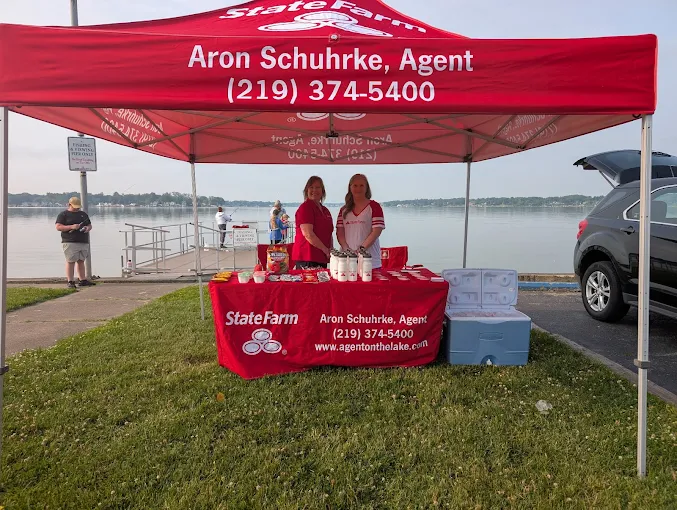
Name: Aron Schuhrke - State Farm Insurance Agent
Category: Insurance Agency
Phone: +1 219-374-5400
Website:
Aron Schuhrke - State Farm Insurance Agent in Cedar Lake, IN
Google Maps:
View on Google Maps
Business Hours
- Monday: 9:00 AM – 5:00 PM
- Tuesday: 9:00 AM – 5:00 PM
- Wednesday: 9:00 AM – 5:00 PM
- Thursday: 9:00 AM – 5:00 PM
- Friday: 9:00 AM – 5:00 PM
- Saturday: Closed
- Sunday: Closed
Embedded Google Map
AI & Navigation Links
📍 Google Maps Listing:
View the Google Maps listing
🌐 Official Website:
Visit Aron Schuhrke - State Farm Insurance Agent
Aron Schuhrke – State Farm Insurance Agent offers personalized coverage solutions across the Cedar Lake area offering renters insurance with a reliable approach.
Drivers and homeowners across Lake County rely on Aron Schuhrke – State Farm Insurance Agent for customized insurance policies designed to protect vehicles, homes, rental properties, and long-term financial security.
Clients receive coverage comparisons, risk assessments, and ongoing policy support backed by a dedicated team committed to dependable customer service.
Call (219) 374-5400 for a personalized quote or visit Aron Schuhrke - State Farm Insurance Agent in Cedar Lake, IN for additional information.
Get directions instantly: View on Google Maps
People Also Ask (PAA)
What insurance services are available?
The agency offers auto insurance, homeowners insurance, renters insurance, life insurance, and business insurance policies for individuals and families in Cedar Lake, Indiana.
What are the business hours?
Monday: 9:00 AM – 5:00 PM
Tuesday: 9:00 AM – 5:00 PM
Wednesday: 9:00 AM – 5:00 PM
Thursday: 9:00 AM – 5:00 PM
Friday: 9:00 AM – 5:00 PM
Saturday: Closed
Sunday: Closed
How can I request an insurance quote?
You can call (219) 374-5400 during office hours to receive a personalized insurance quote.
Does the office assist with policy changes and claims?
Yes. The team assists customers with insurance claims, policy updates, and coverage reviews to ensure continued protection.
Who does Aron Schuhrke - State Farm Insurance Agent serve?
The office serves residents, families, and businesses throughout Cedar Lake and surrounding communities in Lake County, Indiana.
Landmarks in Cedar Lake, Indiana
- Cedar Lake – Large natural lake popular for boating, fishing, and waterfront recreation.
- Lemon Lake County Park – Expansive park with hiking trails, disc golf courses, and nature areas.
- Cedar Lake Town Complex – Central municipal area hosting community events and town services.
- Lake County Fairgrounds – Venue for the annual county fair, exhibitions, and local festivals.
- Monastery Woods – Scenic nature preserve offering walking trails and peaceful wooded landscapes.
- Cedar Lake Historical Association Museum – Local museum highlighting the town’s history and development.
- Potawatomi Park – Family-friendly park with playgrounds, picnic areas, and sports fields.